Sunday, November 24, 2013

Field Trip #5: Waste Treatment Facility

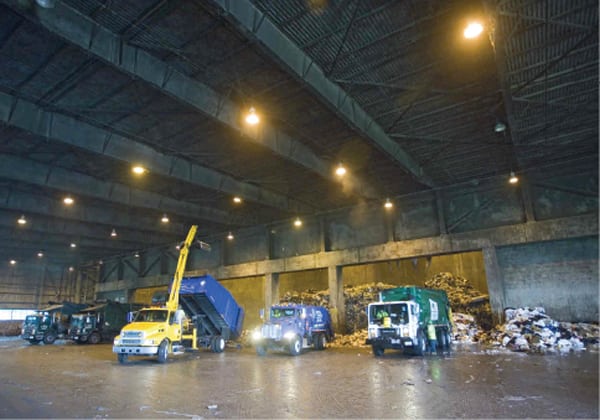
Our recent class field trip to the Fort Myers Waste Treatment Facility was one of our favorite trips. When you put that plastic garbage container out each week, most of us don't give it a second thought about where our garbage goes. Well, thanks to this trip, we have a much better understanding of the new processes and procedures for handling our waste. Using garbage like this for a energy source is an ingenuity way to sustain our lifestyles. We need to start living more sustainable lives in order to leave the world in tact for future generations to enjoy. Everyone wants to discuss the energy crises but technologies and methods like these are swept under the rug.


Waste Pile and Crane
Boiler


Moving Waste in the Facility


Sunday, November 17, 2013

Week 13: Permaculture

The video about permaculture showed how many systems in our natural environment exist to check and balance themselves.  Whether it was the mushrooms feeding on oil trapped in the ground, or certain plants drawing a toxic level of heavy metals out of the dirt, there seems to be a plant or organism for any occasion.  The world has had millions of years to develop a certain harmony with all of its inhabitants and we humans are better off learning from it than forging our own reckless path.  It makes no sense to continue to use archaic farming methods when the world provides a way to yield more to harvest as well as keeping the soil healthy and rich.  Without these methods, the world would have been a barren wasteland before we came along, so we should learn from what's around us.

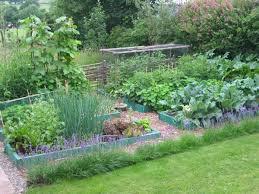
The video showing the reflections and symmetry of the tiniest flowers and leaves to the stars and even our own blood vessels was also really amazing.  Seeing that kind of silent poetry in all facets of nature is an inexplicable, heartwarming feeling, which gives credence to our natural world being good for the soul. 
Sunday, November 10, 2013

Week 12: Response to Homestead Garden

The homestead garden was an amazing spectacle to watch and learn about.  It was very uplifting to see how efficient and how sustainable that family could be on a tiny plot of land in Pasadena.  It's obviously possible for our nation on the whole to do something similar in order to provide enough food for ourselves as well as preserving the environment. While the gardens my group plans on having may not necessarily be as large and bountiful as the homesteaders, it will share some characteristics, like the compost heap and the raised beds.  It was also nice to see that the Homesteaders could sell their excess crop to local kitchens and restaurants, showing a clear market for local grown vegetables.  Some lifestyle changes only occur with a financial incentive, and the movement to organic produce will be more helpful than not.


Sunday, November 3, 2013

Field Trip #4: ECHO

Echo's farm tour is a hidden gem in SW Florida. It was simply amazing and such a unique project. Our group was so impressed with the concept of helping the poor help themselves by teaching them how to grow and harvest their own crops. The climate in SW Florida is semi-tropical and similar to many of the climates in some of the poorest nations in the world. Experience farm animals like rabbits, goats, chickens and ducks as well as tilapia and other fish. The farm demonstrated farming techniques for developing countries in various regions of the world including the rain forest. It also had a very interesting section on urban gardening techniques. Why not plant a garden in containers on your Manhattan balcony. Gardening can be done in urban as well as rural areas as was well explained to us by the helpful staff. See more about this fascinating farm, by clicking on this video link:
http://echonet.org/echo-videos/

Banana


Bamboo

Guazuma


Rice


Indian Fire Cracker Pepper


Vetiver Grass


Job's Tears

Neem Tree

Chaya

Coconut

Cranberry Hibiscus

Cinnamon